All ranges here reflect published 2026 national data (Angi and HomeAdvisor averages) and typical professional pricing including parts and labor.
In This Guide
Key Takeaways
- Springs: $120-$350 — the most common repair; price depends on type (torsion vs.
- Door size and weight are the big levers: a heavy insulated double door needs larger springs, stronger cables and more labor than a light single.
- Apply the one-third rule: if a structurally sound door needs a repair under roughly a third of replacement cost, repair wins.
- The healthy pattern: book, diagnose, receive one flat installed price, approve, then watch the price not change.
- Bundle intelligently: if the springs are being replaced, adding the cables or rollers in the same visit costs a fraction of separate calls because the door is already apart.
- The same repair can legitimately cost different amounts at 2 p.m.
- Owners are often surprised that a neighbor's spring job cost $180 while theirs was $320.
- For any quote over $400, a second opinion is cheap diligence.
How to use this guide: find your situation in the tables, note the fair range, then compare it line by line with any quote you receive — including ours. If a number falls outside the ranges here, the right response isn't panic; it's one question: 'what's different about my door?' A good company answers it in specifics — door weight, part specification, timing — and a vague answer is itself the answer. When you're ready for an exact figure, call (210) 964-8892: our quotes are flat, written from the same data as this guide, and confirmed before any work begins.
The Complete Price Table
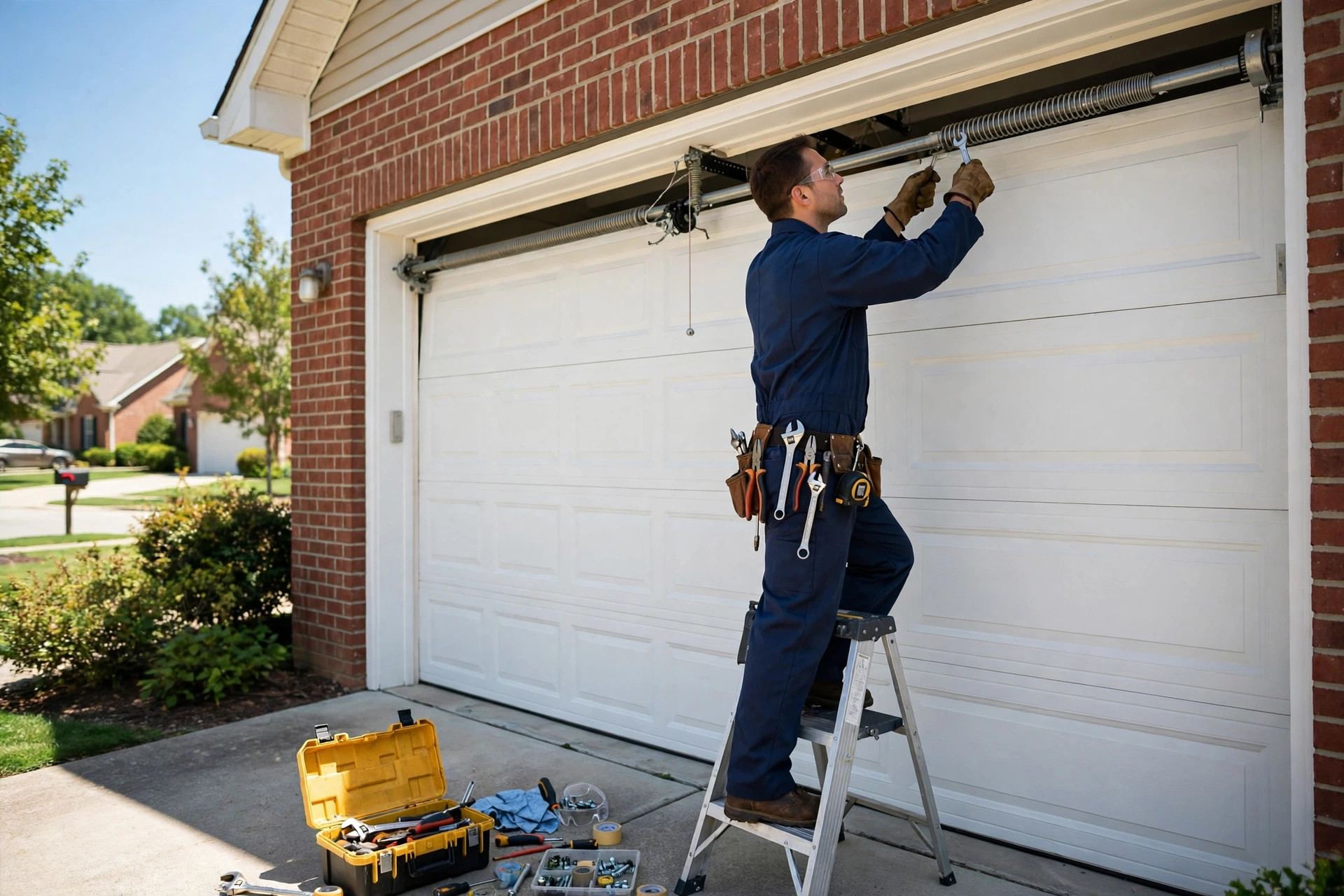
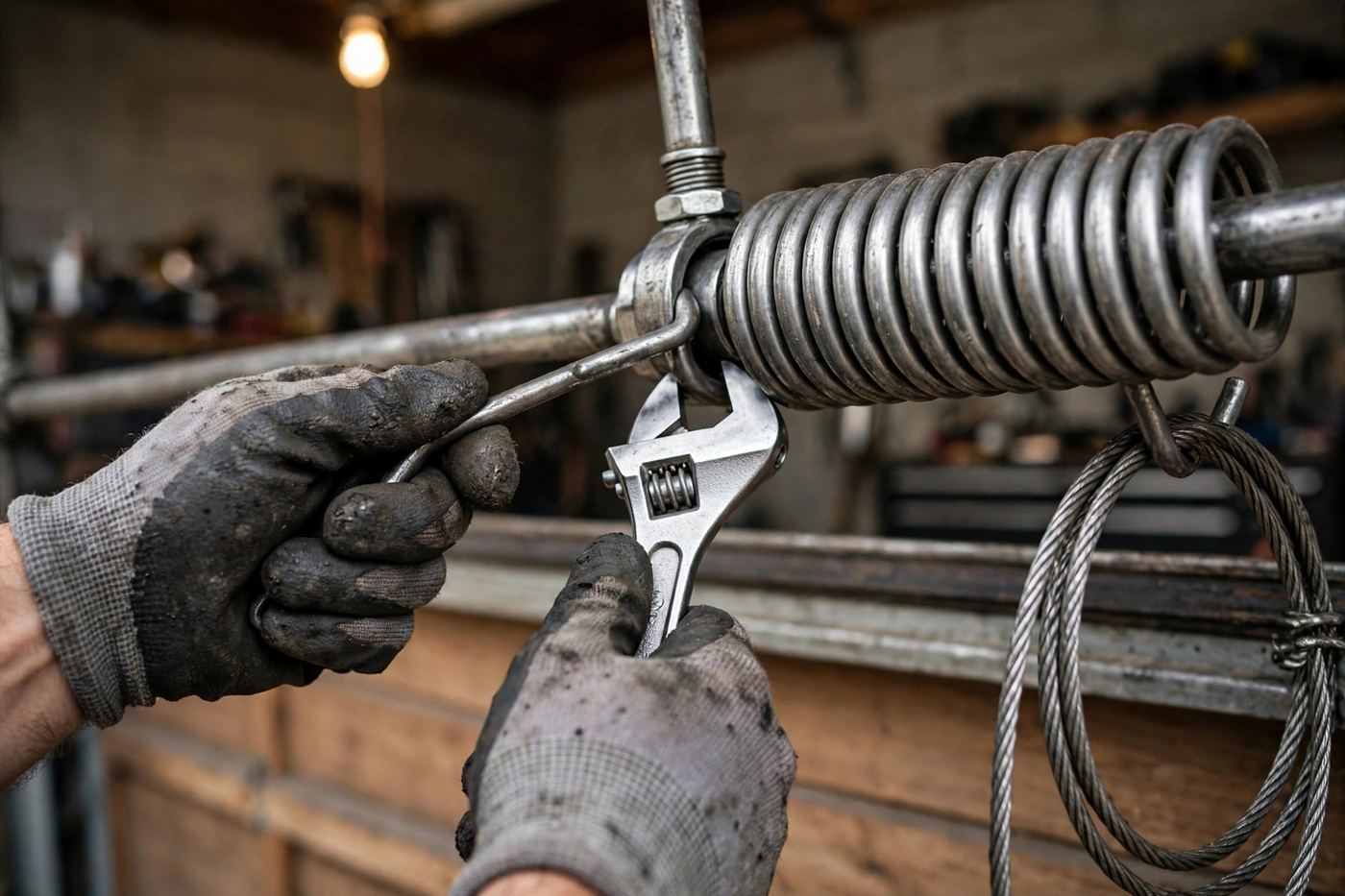
Springs: $120-$350 — the most common repair; price depends on type (torsion vs. extension), size and single vs. pair. Cables: $80-$185 for the pair including drum inspection. Opener repairs: $75-$300 depending on component (sensors low, boards high). Off-track resets: $125-$400, driven by how much track and roller damage came with it. Track work itself: $125-$400.
Rollers: $120-$250 for a full set installed. Panels: $250-$800 per section. Weather seals: $60-$140. General repairs and adjustments: $125-$350. A service call or diagnostic fee of $50-$100 is common and is usually credited toward the repair — confirm that detail when booking, because it's the difference between a fair structure and a stacked one.
What Moves Your Price Within the Range
Door size and weight are the big levers: a heavy insulated double door needs larger springs, stronger cables and more labor than a light single. Part quality matters too — high-cycle springs and sealed nylon rollers cost more upfront and less over time. Timing matters: after-hours emergency service can add a fee, which should always be confirmed before dispatch.
Geography plays a smaller role than people expect for garage work — parts are national commodities — but labor markets in major metros do run modestly higher. What shouldn't move your price: vague 'system fees,' per-item charges for standard steps like balancing, or a total that changes after work begins without a newly discovered, shown-to-you problem.
Repair or Replace the Door? The $ Math
Apply the one-third rule: if a structurally sound door needs a repair under roughly a third of replacement cost, repair wins. A $300 spring-and-cable job on a healthy 12-year-old door buys years of service for a fraction of a $900+ door. Replace when the door itself is failing — multiple rusted or cracked sections, discontinued panels, or a repair stack that's chasing its own tail year after year.
For openers the frame is similar but tighter, because new openers add safety and smart features old ones can't: repairs past half the installed cost of a comparable new unit deserve a hard look. In both cases, ask for the alternative quote in writing — the comparison is your right as the customer, and good companies provide it unprompted.
How Quotes Should Work
The healthy pattern: book, diagnose, receive one flat installed price, approve, then watch the price not change. The diagnosis should be physical — balance test, component inspection — and the quote should name the parts. If a technician finds additional genuine damage mid-job (a drum chewed by the failed cable, say), the right move is to stop, show you, and re-quote that item before proceeding.
Get nervous when pricing is quoted per-hour open-endedly, when the total is 'we'll see when we're in there,' or when a low phone quote inflates on arrival. Garage repairs are standardized enough that flat pricing is the industry norm among reputable operators.
Saving Money Without Cutting Corners
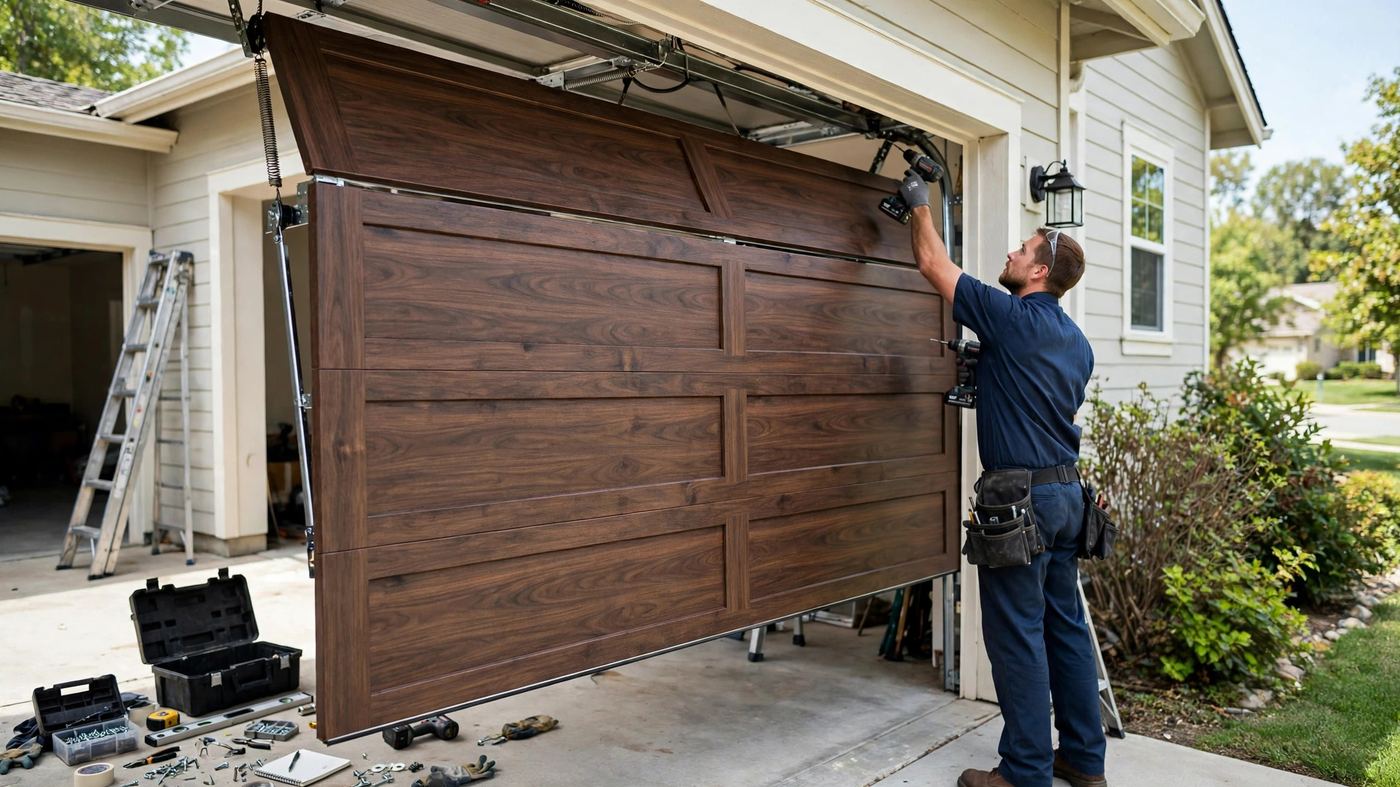
Bundle intelligently: if the springs are being replaced, adding the cables or rollers in the same visit costs a fraction of separate calls because the door is already apart. Maintain annually — a $75-$150 tune-up prevents a meaningful share of the repairs in this guide. Choose repair over replacement when the math says so, and quality parts over cheap ones when the labor is already paid for.
And the simplest saver: describe symptoms accurately when you call. 'Loud bang, door won't lift' gets a truck stocked for springs on the first trip; 'door broken' can mean a second visit for parts. Twenty seconds of description can save a whole service call.
Emergency vs. Scheduled: The Timing Premium
The same repair can legitimately cost different amounts at 2 p.m. and 2 a.m. After-hours service carries a fee — you're paying for a technician's night and a dispatcher's coordination — and reputable companies confirm it before dispatch. The parts and the repair rate itself shouldn't change with the clock; if a quote's line items mutate at night beyond a stated emergency fee, that's a markup pattern, not a market price.
The money-saving skill is triage: a door that is closed, safe and merely noisy can wait for a standard appointment. A door stuck open, off its tracks, or trapping the only car cannot. Knowing which situation you're in — this guide's symptom sections help — is worth the difference between the two invoices.
Why Two Identical-Looking Repairs Price Differently
Owners are often surprised that a neighbor's spring job cost $180 while theirs was $320. The invisible variables: door weight (an insulated 16x7 can weigh twice a basic 8x7), spring dimensions and cycle rating, single versus pair replacement, and the accomplices — the cables, drums or bearings replaced in the same visit because they caused or shared the failure. None of that shows in a photo of the finished door, and all of it is legitimate.
This is why phone quotes for repairs are ranges and site quotes are numbers. Anyone who prices a repair exactly, sight unseen, is either padding for the unknown or planning to renegotiate on your driveway. Ranges from published data — the ones in this guide — are the honest form of the answer until a technician has hands on the door.
The Second-Quote Playbook
For any quote over $400, a second opinion is cheap diligence. Get it properly: don't announce the first number (you'll just hear $20 less), ask for the same scope in writing, and compare item by item against the ranges in this guide. Two honest quotes for the same failure typically land within 10-15% of each other; when they don't, the gap is information — usually a different diagnosis, which is the thing actually worth understanding.
Ask the higher quoter what they found that the other didn't, and ask the lower quoter whether their scope includes it. A worn drum behind a cable job is the classic example: one company prices the cure, the other prices the symptom, and the cheaper quote is the expensive one on a six-month horizon.
And use time correctly: for a standard in-range repair on a down door, speed beats the last $40 of shopping. The second-quote discipline is for big tickets and weird numbers — not for making a technician with a fair flat quote wait while you auction a spring job.
Garage Door Repair Prices at a Glance (2026)
| Item | Cost / Rating | Notes |
|---|---|---|
| Spring replacement | $120-$350 | Most common repair nationwide |
| Cable replacement (pair) | $80-$185 | Includes drum inspection |
| Opener repair | $75-$300 | Sensors to logic boards |
| Off-track repair | $125-$400 | Cause + reset together |
| Roller set replacement | $120-$250 | Sealed nylon recommended |
| Panel (section) replacement | $250-$800 | Model availability dependent |
| New door installed | $550-$1,800 | Single to double range |
Frequently Asked Questions
What is the average cost of garage door repair in 2026?
Most repairs average $125-$350. Springs run $120-$350, cables $80-$185, opener repairs $75-$300, and track/off-track work $125-$400, per Angi and HomeAdvisor 2026 data.
Why did I get quoted more than these ranges?
Legitimate reasons: an unusually large or heavy door, multiple failed systems in one visit, premium parts, or after-hours timing. Ask for the breakdown — a reputable company can explain every line against this kind of guide.
Is the service call fee normal?
Yes, $50-$100 is common, and reputable companies credit it toward the repair. Confirm the credit when booking so there are no surprises.
Should I get multiple quotes?
For anything above $400, a second quote is cheap diligence. For standard repairs inside the ranges above, a flat written quote from a reputable company is usually sufficient — speed matters when the door is down.
Do repairs come with a warranty?
They should — parts and labor in writing. Ask the term before approving; it's a reliable quality signal.
Do garage door companies charge just to look at the problem?
Many charge a service or diagnostic fee of $50-$100, typically credited toward the repair if you proceed. That's a fair structure — diagnosis is skilled work. What's not fair is a fee that stacks on top of full repair pricing with no credit. Ask about the credit when you book; it's a one-sentence question that reveals a company's pricing philosophy.
Related Services
Garage Door Repair
Complete diagnosis and repair for doors that won't open, close, balance or seal — most repairs finished in a single visit.
Learn more →Broken Spring Replacement
Snapped torsion or extension spring? We replace springs in matched pairs, sized exactly to your door's weight — same-day.
Learn more →Garage Door Opener Repair
Opener hums, clicks or runs but the door won't move? We repair motors, gears, belts, boards and sensors for all major brands.
Learn more →← All garage door guides · Costs & pricing hub
Garage Door Stuck? We Can Fix It Today.
Same-day appointments and 24/7 emergency service across all 50 of our service cities. Upfront price before work starts — no surprises on the invoice.
(210) 964-8892 ☎ Call Now — Open 24/7